
01
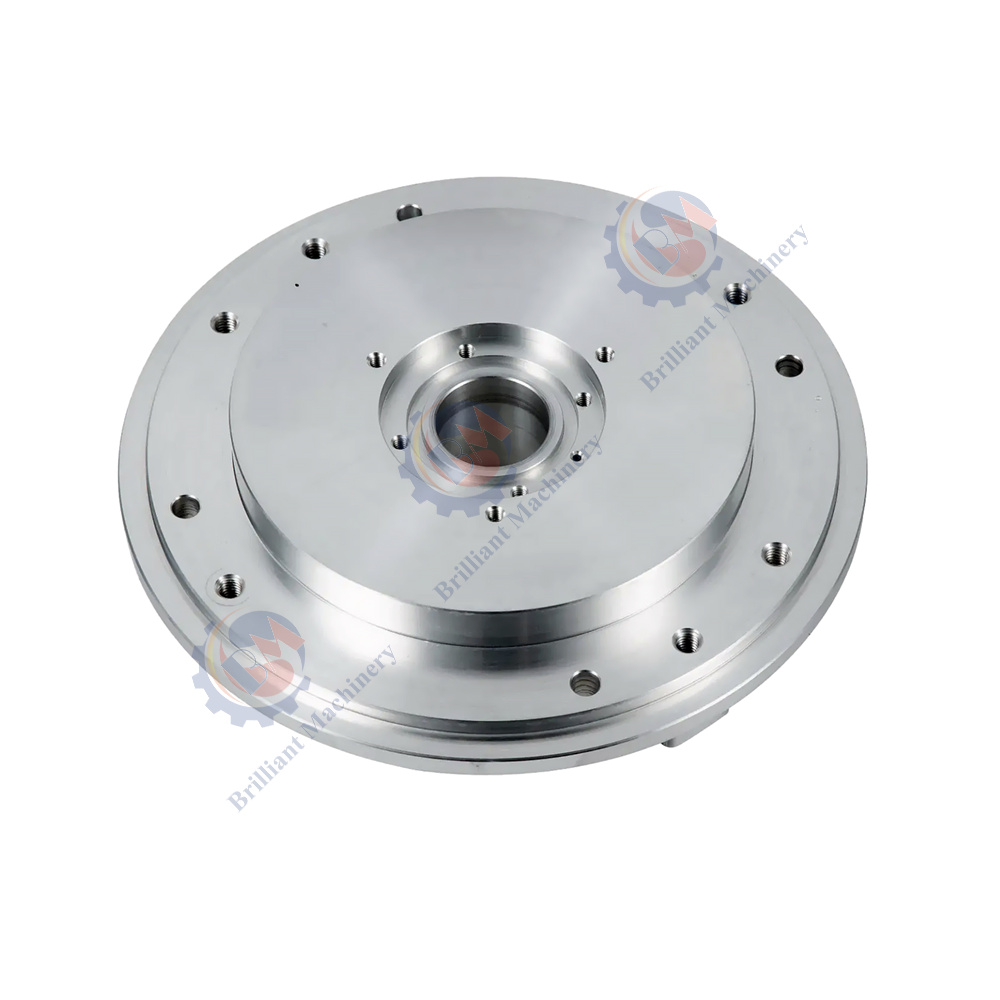
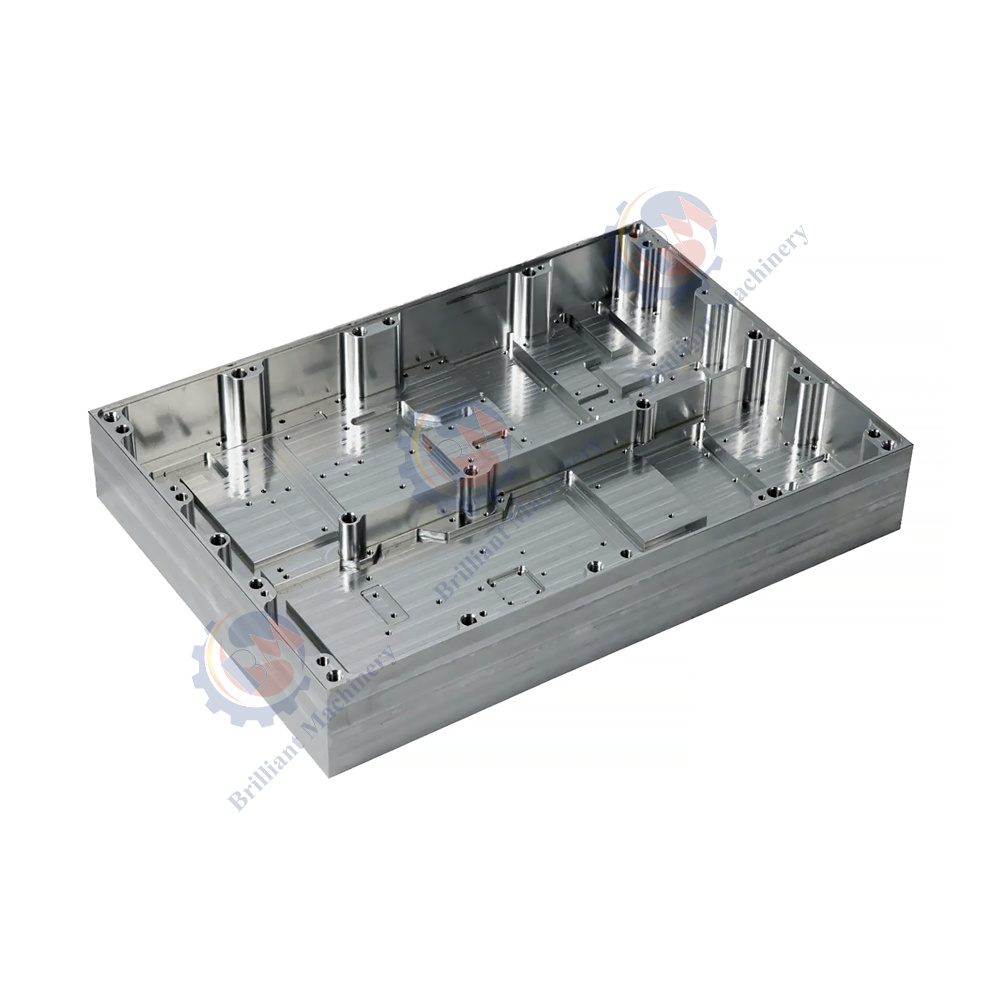
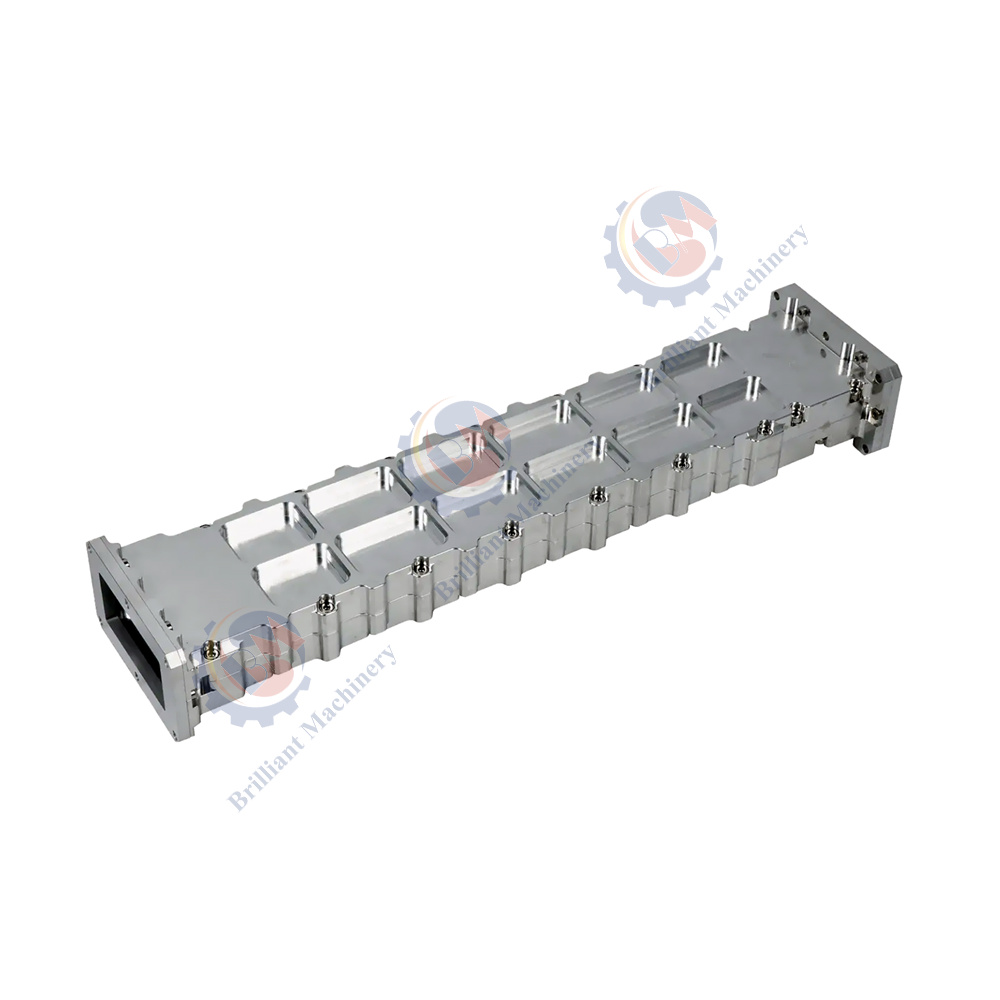
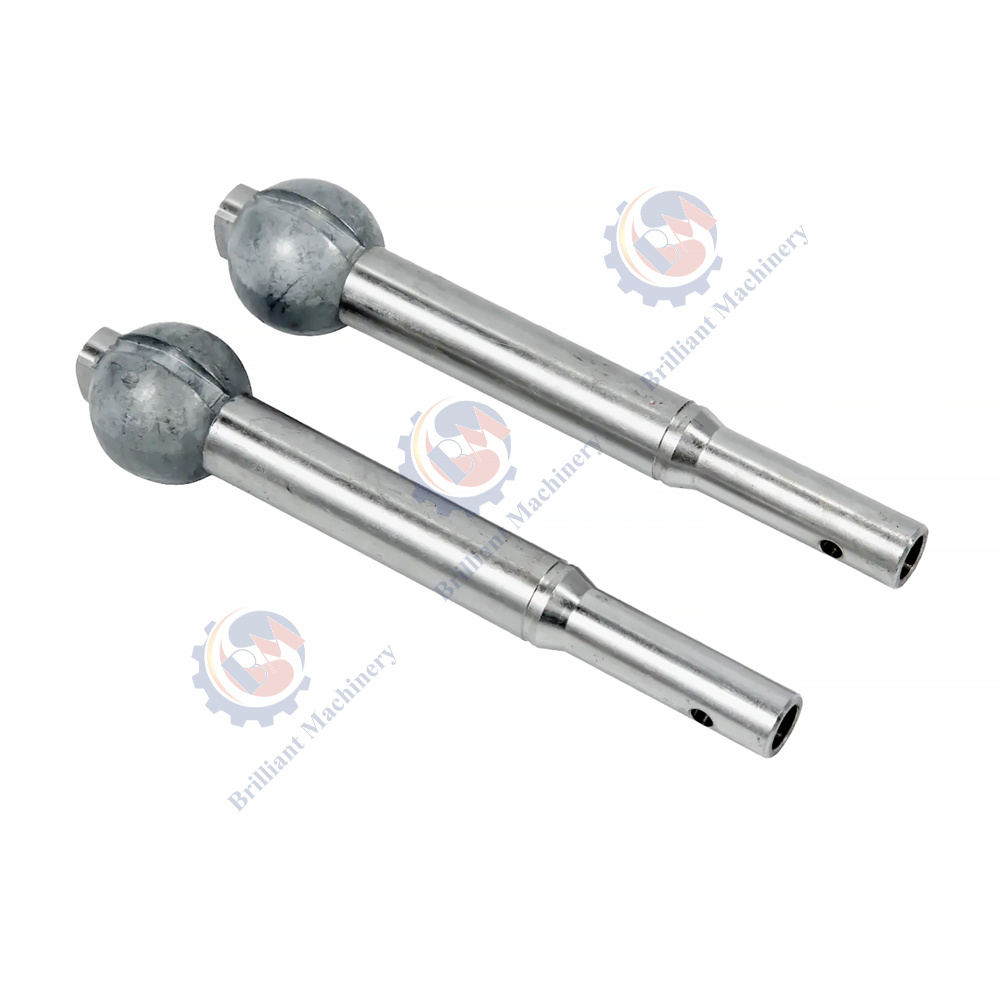
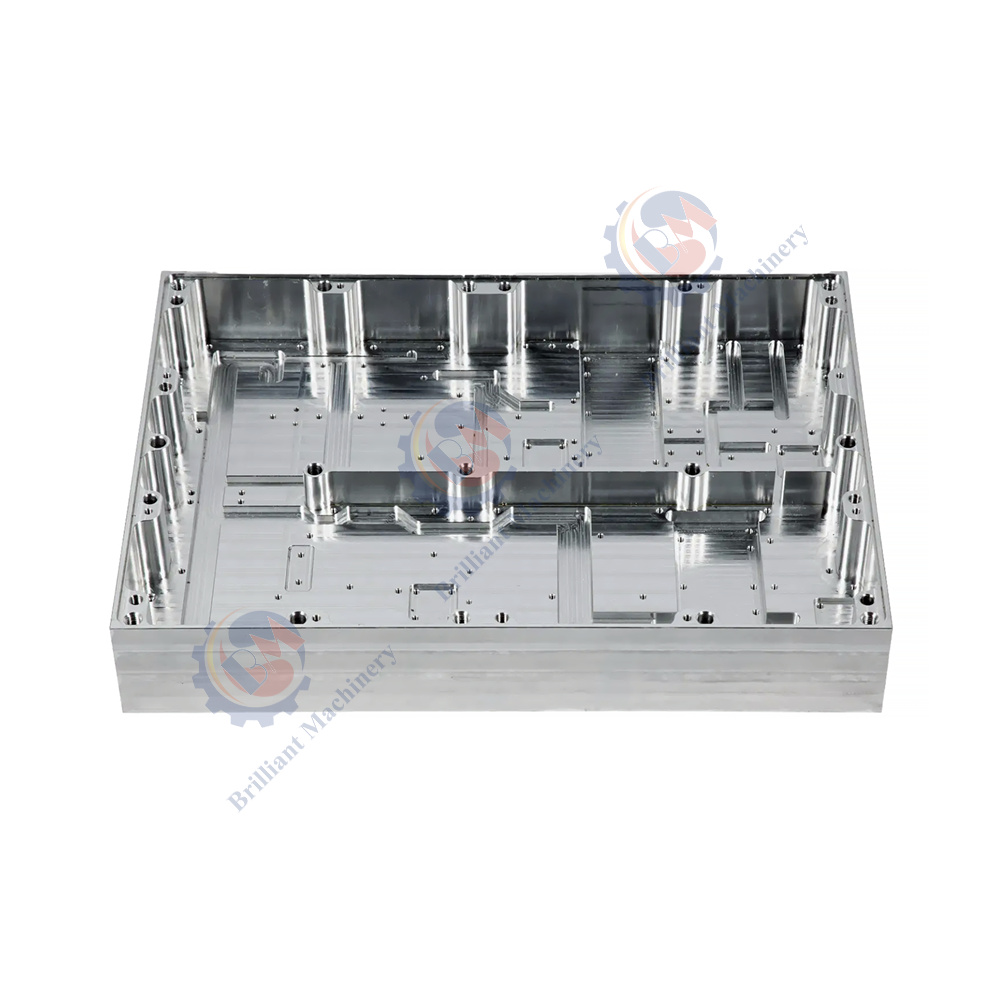
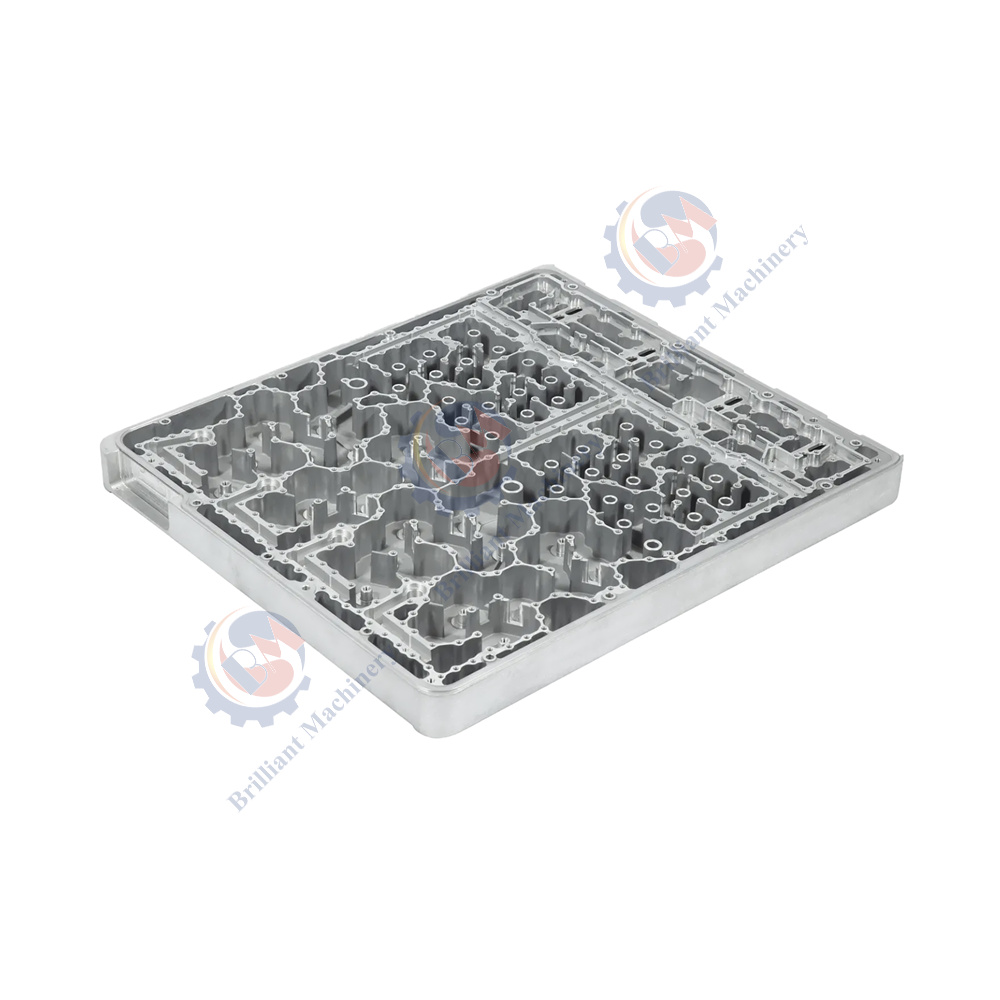
Aluminum Alloy Die Castings for Renewable Energy
Material
Our aluminum castings are crafted from high-performance alloys that are specifically designed in order to address demanding application requirements in the renewable energy sector:
• A356 Alloy: Offers great heat characteristics and toughness, suitable in high loadings.
• A380 Alloy: Is more fluid in character and is usually utilized in more developed models.
• Aluminum-Magnesium Alloys: They are suitable for those components that have high resistance requirements, especially in marine or seaside regions.
• Aluminum-Silicon Alloys: Are very much immune towards wear as well as are also largely used in high-friction parts.
Specifications
• Weight: Aluminum’s light character decreases overall energy-generating systems' mass, with benefits in terms of both transportation and installation.
• Corrosion Resistance: The native corrosive resistance in the alloy makes it durable irrespective of adverse climatic conditions, i.e., salt water or high humidity.
• Dimensional Tolerance: Our dimensional tolerancing is made with high precision in order to fit into renewable energy devices with a perfect fit.
• Thermal Stability: The high thermal conductance in aluminum allows effective heat transfer, a key requirement in energy conversion and energy storage devices.
Production Processes
Our die cast is specifically designed with a focus on having high manufacturing quality in producing renewable energy parts:
1. Mold Design: The designing and production of molds with advanced geometric requirements in parts in renewable energy are made with advanced CAD technologies.
2. Melting & Injections: The alloy is melted at high pressure that is pressed into a mould which gives a perfect shape.
3. Cooling & Ejection: The cast component is forced out from the mould following cooling.
4. Post-Casting Treatments: The castings undergo cleaning, trimming, and surface treatments to enhance their appearance and functionality.
Quality Test and Inspection
We perform a series of stringent tests to determine that each aluminum die casting conforms with high standards in the renewable energy sector:
• Dimensional Inspection: Every component is inspected dimensionally for precision and conformity in dimensions, which ensures fitment as well as functionality.
• Mechanical Testing: Components undergo tensile strength, hardness, and impact resistance tests to guarantee performance under stress.
• Visual Inspection: The castings are also visually inspected for surface defects, cracking, or flaws.
• Corrosion Resistance Testing: The parts are exposed in a condition that imitates extended exposure in aggressive environments in order that they will not rust.
Key Features
• Lightweight: Aluminum castings in a die-cast form lighten loads on renewable energy devices, making these more portable, transferable, and simple to install.
• Durable and Anti-Corrosive: In outdoor usage, aluminum alloy castings are immune to weathering, corrosive attack, as well as UV light.
• Thermal Efficiency: The high thermal dissipative power of Aluminium alloy is effective in heat producing as well as heat transfer component parts.
• Precision Engineering: The manufacturing process in die casting allows high precision, highly detailed parts with conformity with requirements in renewable energy systems.
Industry Applications
• Solar Energy: For fixing installations, photovoltaic panels frames, and inverters.
• Wind Energy: Nacelles, hubs, as well as housing for a gearbox.
• Hydropower: Casting of turbine housing parts as well as valve parts.
• Energy Storage: The units that accommodate batteries and storage with a seal from environmental factors.
Packaging and Storage
After production, castings are packed with care in a way that safeguards them from physical damage during transportation. Small castings are securely wrapped in foam, whereas massive castings are wrapped in specially crafted boxes. Castings are also packed in a condition that is free from environmental hazards in a move towards maintaining their quality.
Shipment
We offer prompt guaranteed delivery specifically in adherence with customers' timelines. The castings are dispatched through suitable means—the skies, seas, or roads—on a scale basis according to orders, as well as destination. Tracking numbers are made available in order to keep customers informed about shipments.